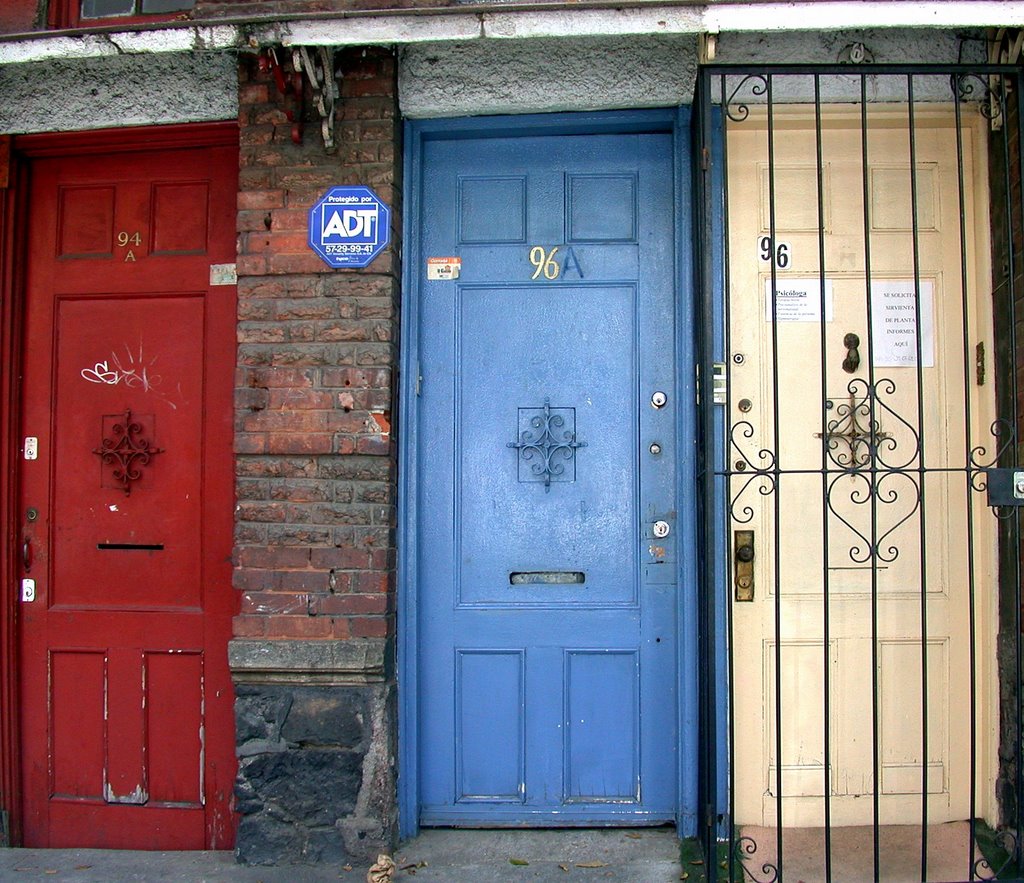
The Magic of the Cities.

Zen promotes the rediscovery of the obvious, which is so often lost in its familiarity and simplicity. It sees the miraculous in the common and magic in our everyday surroundings. When we are not rushed, and our minds are unclouded by conceptualizations, a veil will sometimes drop, introducing the viewer to a world unseen since childhood. ~ John Greer

Thursday, October 19, 2006

Dia de Muertos / Day of The Dead

Posted by Picasa
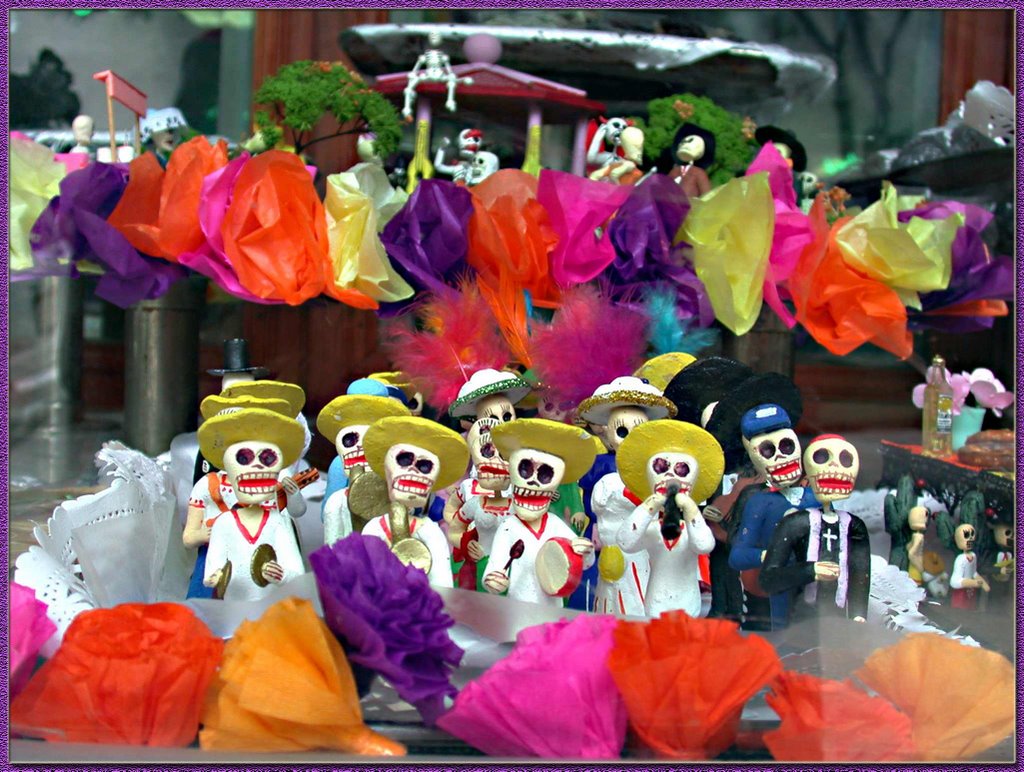
Shop window of a candy store.

The Day of The Dead

Her face is unforgettable and she goes by many names: La Catrina, la Flaca, la Huesuda, la Pelona--Fancy Lady, Skinny, Bony, Baldy. A fixture in Mexican society, she's not some trendy fashion model, but La Muerte--Death.

Renowned writer Octavio Paz observes that, undaunted by death, the Mexican has no qualms about getting up close and personal with death, noting that he "...chases after it, mocks it, courts it, hugs it, sleeps with it; it is his favorite plaything and his most lasting love."

November 1, All Saints Day, and November 2, All Souls Day are marked throughout
Mexico by a plethora of intriguing customs that vary widely according to the ethnic roots of each region. Common to all, however, are colorful adornments and lively reunions at family burial plots, the preparation of special foods, offerings laid out for the departed on commemorative altars and religious rites that are likely to include noisy fireworks.

In most localities November 1 is set aside for remembrance of deceased infants and children, often referred to as angelitos (little angels).
Those who have died as adults are honored November 2.

From mid-October through the first week of November, markets and shops all over
Mexico are replete with the special accouterments for the Dia de Muertos (Day of the Dead). These include all manner of skeletons and other macabre toys; intricate tissue paper cut-outs called papel picado; elaborate wreaths and crosses decorated with paper or silk flowers; candles and votive lights; and fresh seasonal flowers, particularly cempazuchiles (marigolds) and barro de obispo (cockscomb). Among the edible goodies offered are skulls, coffins and the like made from sugar, chocolate or amaranth seeds and special baked goods, notably sugary sweet rolls called pan de muerto that come in various sizes invariably topped with bits of dough shaped like bones and, in some regions, unadorned dark breads molded into humanoid figures called animas (souls). All of these goods are destined for the buyer's ofrenda de muertos (offering to the dead).

Copyright 1995 by Dale Palfrey. All rights reserved.

http://www.mexconnect.com/mex_/feature/daydeadindex.html


Monday, October 16, 2006

Taxco. A short trip


Posted by Picasa

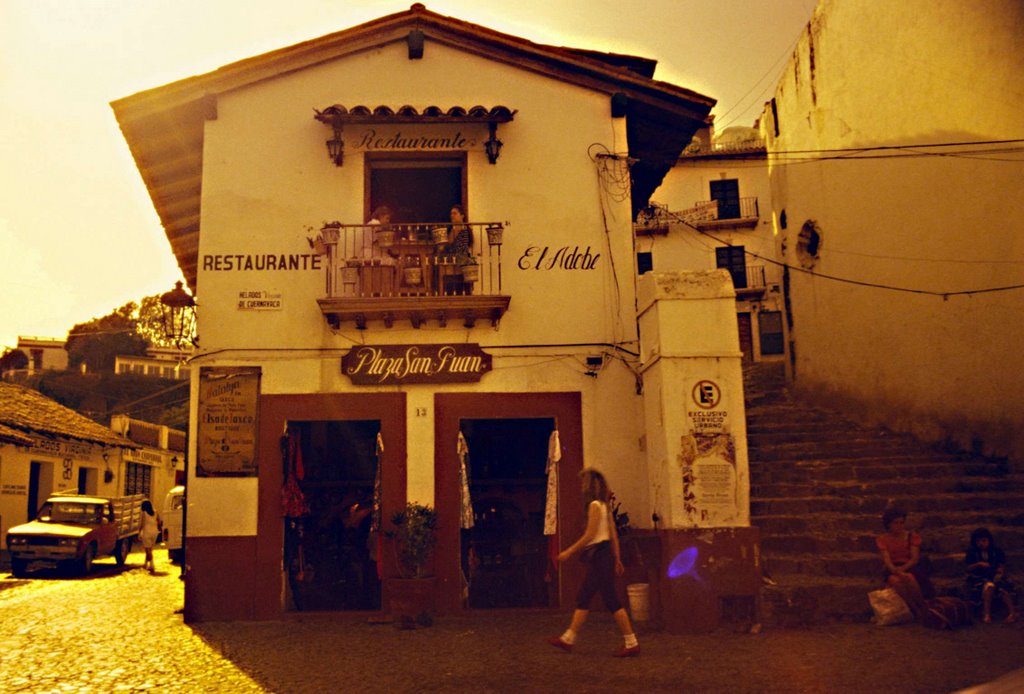
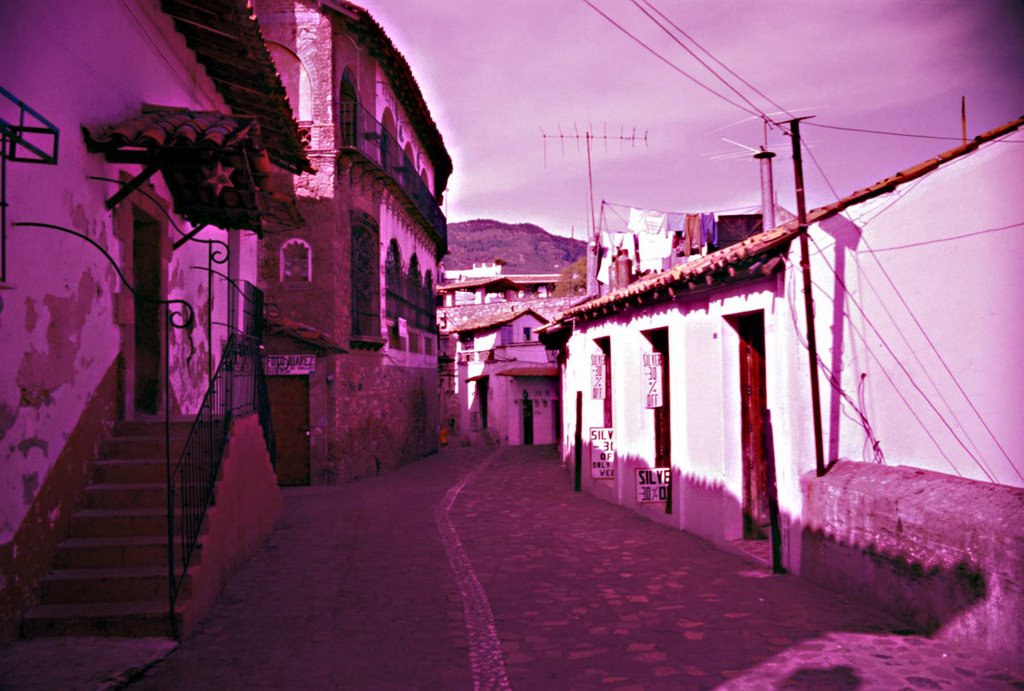
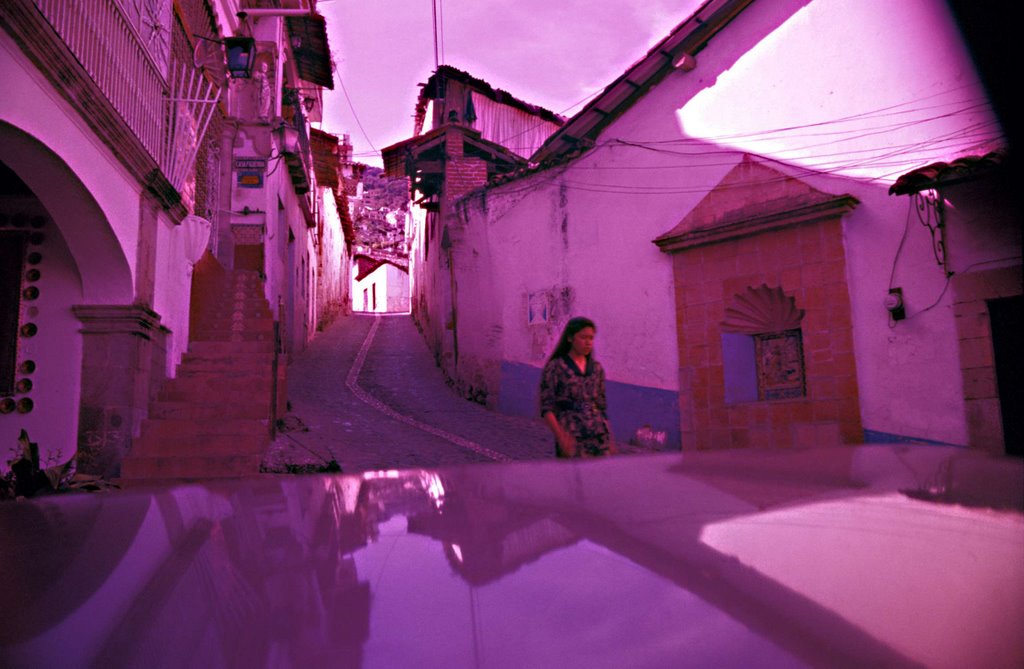
Taxco is a beautiful city in Mexico built on a hill in Guerrero. It is rich with old and new silver mines, it has narrow streets and hundreds of silver shops. It is off the toll way but it is worth the drive, it is between Acapulco and Mexico City.
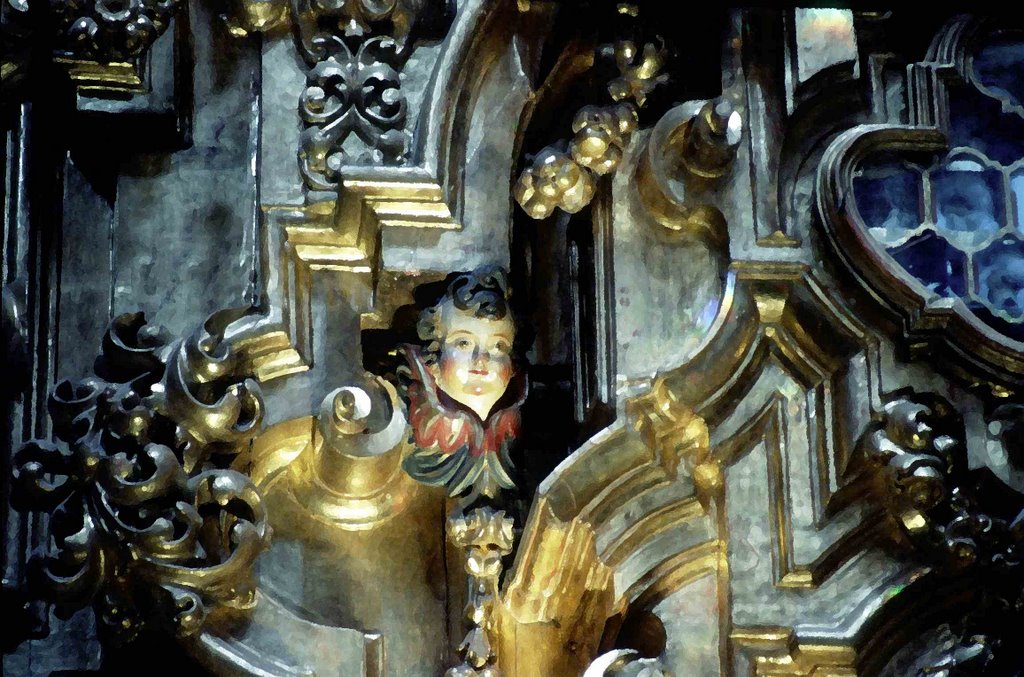
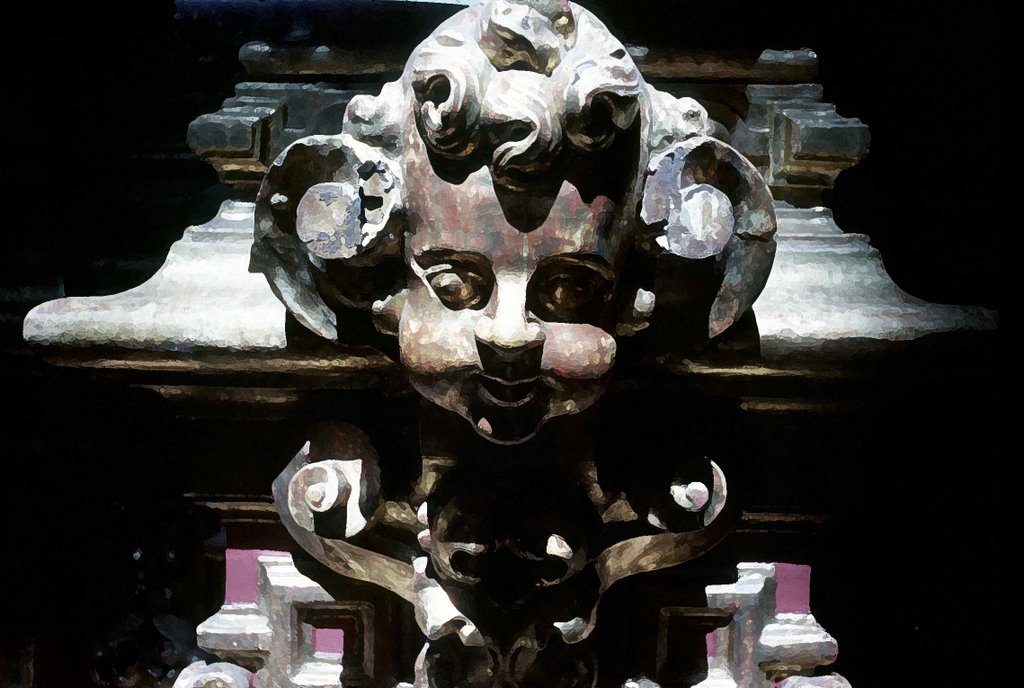
The building of most importance is the temple of Santa Prisca found in the heart of the city, on the west side of the main square called Borda. The construction took place between 1751 and 1758, under the supervision of don Diego Duran. The work, both in it's magnificent façade as in it's beautiful interiors, is considered as one of the best and most extraordinary samples of the Mexican churrigueresque style. Inside it is possible to admire a rich ornamentation based on altarworks and paintings, these ones coming from the brush of Miguel Cabrera.


 Posted by Picasa
Cherubs of the Temple of Santa Prisca


 Posted by Picasa

 Posted by Picasa


Cactus


Back to the city.
 Posted by Picasa

Tuesday, October 10, 2006

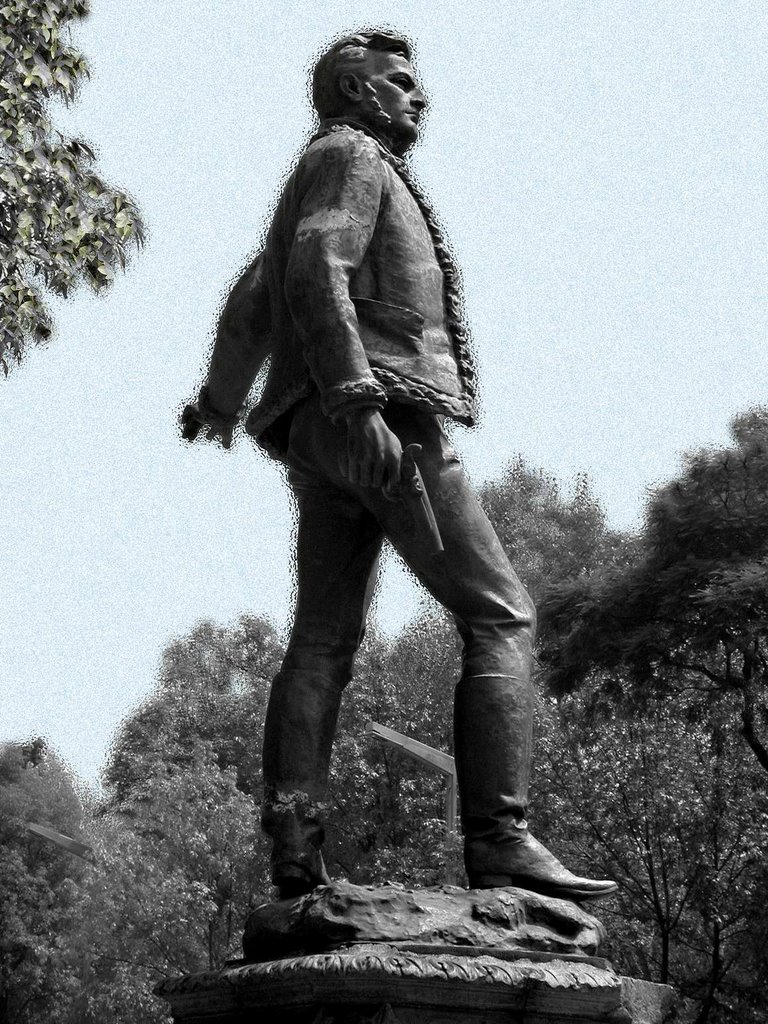
H. Galeana. Insurgente

It's one of the statues placed at Paseo de la Reforma, a main street of the city.
This is for one of the leaders of Mexico's struggle for Independence from Spain.

Sunday, October 8, 2006

Wednesday, October 4, 2006

Tlatelolco. 2 de Octubre de 1968.


 Posted by Picasa

Tlatelolco

From Wikipedia, the free encyclopedia

Tlatelolco is an area in Mexico City, centered on the Plaza de las Tres Culturas, a square surrounded on three sides by an excavated Aztec pyramid, the 17th century church Templo de Santiago, and the modern office complex of the Mexican foreign ministry.

Originally it was an independent Aztec city, but it was absorbed by Tenochtitlan. During the Aztec rule, it was the market district of the Aztec capital Tenochtitlán, probably one of the largest in the Americas.

According to Conquistador Bernal Díaz del Castillo, it was larger than the city of Sevilla and larger than any market any of the Spaniards had seen, even those of Venice and Constantinople, with about 20,000 to 40,000 people trading.

Tlatelolco massacre

From Wikipedia, the free encyclopedia.

http://en.wikipedia.org/wiki/Tlatelolco_massacre

The Tlatelolco Massacre, also known as The Night of Tlatelolco (from a book title by the Mexican writer Elena Poniatowska), took place on the afternoon and night of October 2, 1968, in the Plaza de las Tres Culturas in the Tlatelolco section of Mexico City, ten days before the 1968 Summer Olympics celebrations in Mexico City. The death toll remains controversial: some estimates place the number of deaths in the thousands, but most sources report 200-300 deaths. Government sources say "4 Dead, 20 Wounded". There exact number of people who were arrested is also controversial.

Also called The Mexican Tiananmen

See:

http://en.wikipedia.org/wiki/Tiananmen_Square_protests_of_1989

Posted by Picasa